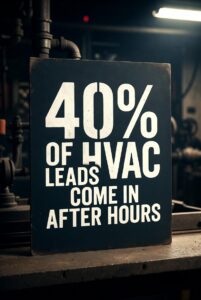
Consumer behavior has shifted permanently. If no one answers live, they move on. Here’s how forward-thinking HVAC businesses are keeping up.
Think about the last time you left a voicemail for a business. Not for a friend or family member, but a business. Can you remember it? Probably not. Because most people don’t do it anymore.
That habit didn’t die overnight. It eroded quietly, call by call, year by year, as smartphones made it easier to text, search, or simply try the next option. For HVAC business owners, that shift has a real cost. One that doesn’t show up on a profit and loss sheet, but shows up every time a potential customer hangs up and calls your competitor instead.
The Voicemail Era Is Over
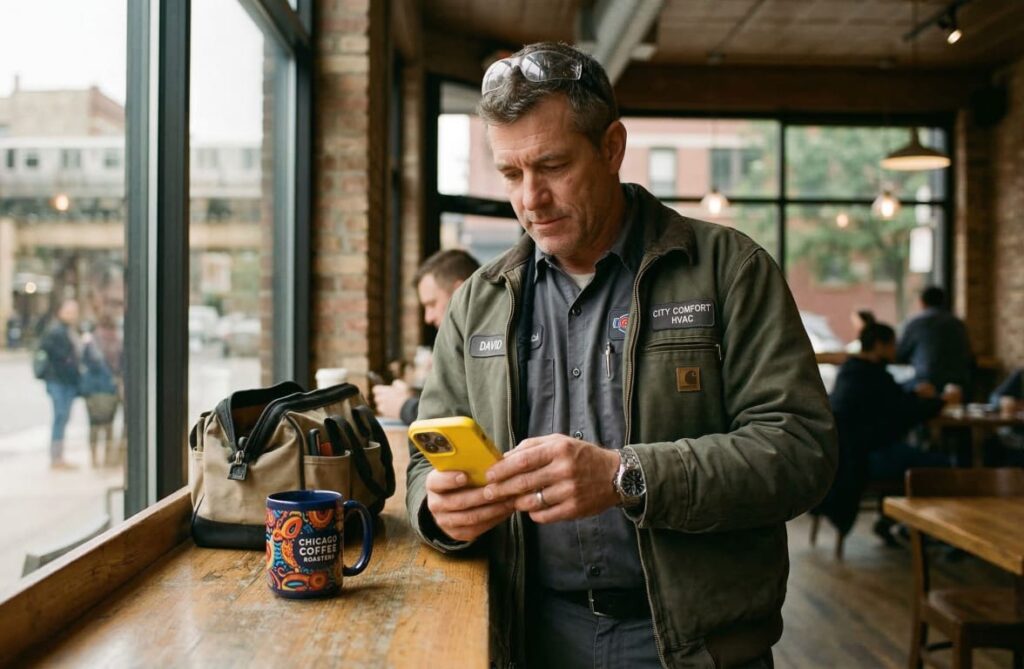
There was a time when leaving a voicemail was standard practice. You called a plumber, they were busy, you left your name and number, and you waited. That was the deal. Both sides understood it.
That deal is dead.
Today’s customer, whether dealing with a furnace that stopped working at midnight or an AC unit that gave out in July, is not waiting. They have five other HVAC companies in their browser tab. They will not leave a message. They will move on within seconds of hearing a beep.
- 80% of callers who reach voicemail hang up without leaving a message
- < 60s average time before a caller tries a competitor after no answer
- 3× more likely to convert leads that are responded to within 1 minute
These aren’t abstract trends. They’re the day-to-day reality your front desk, your on-call tech, and your missed call log are all experiencing right now.
Why HVAC Is So Vulnerable
Other industries can absorb the slow response. A law firm, a landscaping company, a marketing agency. Their customers can usually wait a few hours for a callback. The urgency isn’t immediate.
HVAC doesn’t work that way. When a customer calls you, there is almost always a reason they cannot ignore. Their home is 95 degrees. Their pipes froze. Their boiler shut down the night before guests arrived. They are calling because something is wrong right now, and they need to know someone is on it.
That urgency is actually your biggest asset. But only if you answer.
The moment of peak intent is also the moment of maximum competition. Every unanswered call is a warm lead walking directly into a competitor’s hands.
What Customers Do When No One Answers
Let’s trace what happens after your phone rings and no one picks up:
- They hear voicemail. They hang up immediately. No message left.
- They go back to Google. Your competitor is two results down.
- That competitor answers. Or has a chat widget. Or has a booking form.
- The job is gone. Not because you couldn’t do it, but because you weren’t there.
This cycle repeats dozens of times a week for the average HVAC company. Most owners have no idea how often it’s happening because missed calls don’t leave a record of what they cost. Only that they were missed.
The Modern Solution: AI That Answers Like a Human
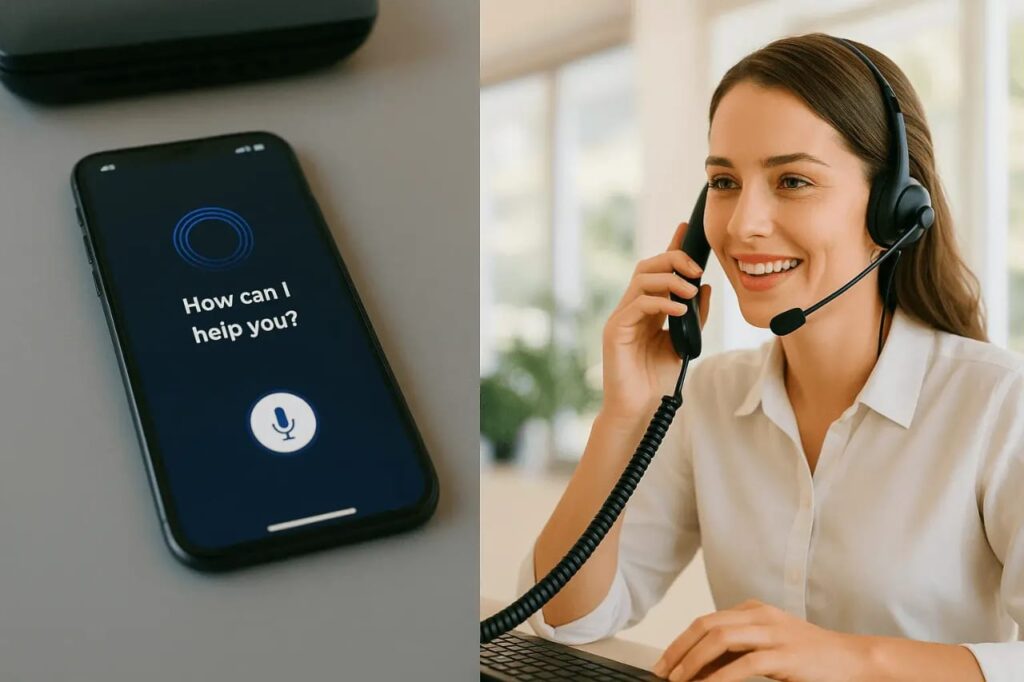
Hiring more front desk staff doesn’t scale. Forwarding calls to your personal phone doesn’t scale. Paying for an after-hours answering service that takes a message and calls you back in the morning definitely doesn’t scale.
What scales is an AI answering system built specifically for how HVAC customers behave. One that answers every call immediately, in a natural and professional voice, gathers the key information, and either books the appointment or routes the call to the right person in real time.
What an AI answering system does for your HVAC business:
- Answers calls 24/7, including evenings, weekends, and holidays when your competitors’ phones go to voicemail
- Asks the right intake questions: what’s the issue, what unit, what’s the address, urgency level
- Books directly into your scheduling system without human intervention
- Escalates emergency calls to your on-call tech immediately, with full context already captured
- Sends confirmation texts and reminders to customers automatically
- Handles common FAQs on pricing, service areas, and warranties without tying up a human
The customer never hears a beep. They never get put on hold. They don’t leave wondering if anyone will call them back. They finish the call knowing a technician is coming, and that trust starts building before anyone even sets foot in their home.
This Isn’t About Replacing Your Team
A common hesitation HVAC owners have is this: “I don’t want a robot talking to my customers.” That’s fair. And it misses the point.
Your customers are already hanging up before your team ever gets a chance to talk to them. The AI doesn’t replace your technicians or your front desk. It fills the gap between a ringing phone and a human who’s currently busy, off-shift, or on another call.
Think of it less as a robot and more as the world’s most consistent receptionist. One that never has a bad day, never puts someone on hold without explanation, and never lets a call go unanswered because it was lunchtime.
The Competitive Edge Is Still Open, But Not for Long
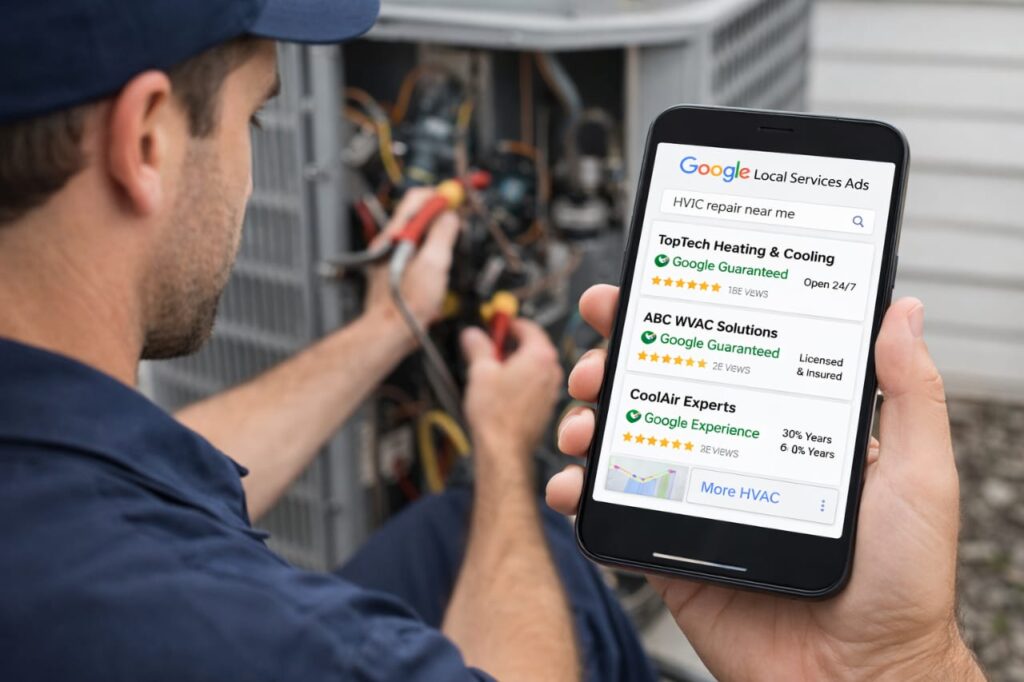
Most HVAC companies in your market are still relying on the same voicemail system they set up five years ago. The window to differentiate on responsiveness is still open, but it won’t stay open.
Early adopters are already capturing leads their competitors are losing daily. Once AI answering becomes the industry standard, the advantage shifts from “you gain business” to “you stop losing it.” Right now, you can be the one gaining.
Your customers don’t leave voicemails anymore. The question is: are you ready to meet them where they actually are?
Stop Losing Jobs to Voicemail
See how Bot4orge’s AI answering system works for HVAC businesses and what it could mean for your call conversion rate.