Referrals are not a personality trait. They are a system problem. The agents who generate consistent referrals are not more likeable. They are more present. AI is how you stay present with every past client without consuming your week doing it.
Every agent knows referrals are the best leads they will ever get. Pre-sold, pre-trusted, and arriving with a relationship already in place before the first conversation. A referred client is more likely to sign faster, negotiate less aggressively, and refer again after their own transaction closes.
And yet most agents do not have a referral system. They have referral hope. They close a deal, do a good job, and trust that the client will remember them when someone in their network needs an agent. Sometimes that works. Often it does not. Not because the client was unhappy, but because life moved on, eighteen months passed, and when their friend mentioned buying a house at a dinner party, the agent’s name was not the first thing that came to mind.
The agents who generate referrals consistently are not the ones with the most charisma or the longest tenure. They are the ones who stayed in the conversation after the deal closed. That consistency used to require a lot of discipline. With AI, it requires a system built once and left to run.
Referrals Are a System Problem, Not a Likability Problem

It is worth saying this directly because it changes how agents approach the problem. Most agents who do not get enough referrals assume they need to be more memorable, more impressive during the transaction, or more proactive about asking. Some of that helps. None of it is the real issue.
The real issue is presence. A client who had a great experience with you eighteen months ago genuinely likes you and would happily send someone your way. But if they have not heard from you since the closing dinner, you are not top of mind when the opportunity arises. Someone else who stayed in touch, even superficially, will get the referral instead.
Eighty-two percent would use their agent again. Twenty-four percent actually do. The gap between those two numbers is not dissatisfaction. It is silence. The client moved on because no one stayed in contact, and by the time they needed an agent again, the relationship had faded enough that starting fresh with someone new felt just as reasonable.
What a Referral Machine Actually Requires
Building a referral machine means building a systematic way to stay meaningfully present with every past client across the months and years between their transactions. Meaningful is the key word. Generic newsletters and mass holiday emails do not create presence. They create noise. What creates presence is contact that feels relevant to the client’s specific situation and arrives at moments when it is likely to be appreciated rather than ignored.
A referral machine built on AI does three things that manual follow-up cannot sustain at scale.
Stays Consistent
The system does not take breaks when the agent is busy, slow down during a hot quarter, or forget a client who has not been top of mind for six months. Every client on the list receives contact at the right interval whether there are ten of them or two hundred.
Stays Relevant
Messages are tied to the client’s specific property, neighborhood, and timeline. A homeowner who bought two years ago gets different content than one who bought six months ago. The contact feels tailored rather than broadcast.
Asks at the Right Moment
The referral ask is not dropped into a random email. It is timed to arrive at the moments when the client is most likely to have it front of mind: after a positive interaction, around a milestone, or when a market event makes real estate feel relevant again.
The Post-Close Sequence: Where the Referral Machine Starts
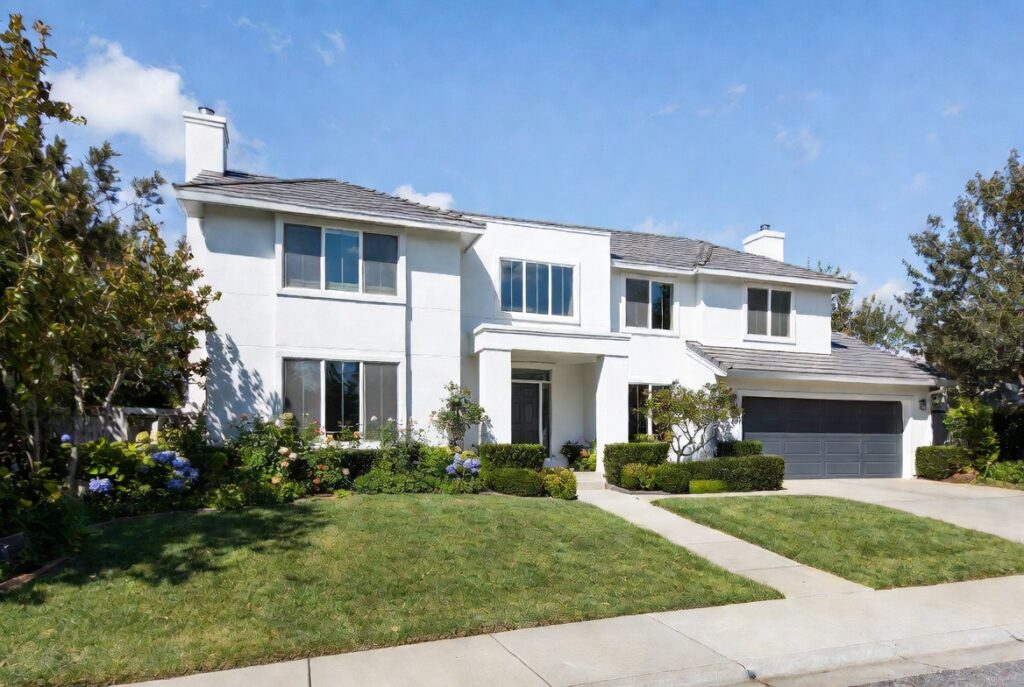
The closing day is the highest emotional moment in the client relationship. The achievement is fresh, the gratitude is genuine, and the agent is more top of mind than at any point in the previous months. This is exactly when most agents go quiet.
A referral machine captures that moment and extends it forward. The post-close sequence begins immediately after closing and continues for months, keeping the relationship warm while the client settles into their new home and their network begins to hear about the move.
Post-Close Referral Sequence
Seven touches across twelve months. None of them feel like marketing. All of them keep the agent’s name attached to something useful in the client’s life. By the time month twelve arrives and a friend mentions they are thinking of buying, the agent is not a vague memory. They are the person who has been showing up consistently since the day the keys were handed over.
The Referral Ask: Why Timing Is Everything
Most agents who do ask for referrals ask at the wrong moment. The closing day ask feels transactional when it is bundled with paperwork. The ask in the first follow-up email feels premature. The ask that comes out of nowhere eighteen months later with no prior contact feels awkward.
The right moment for a referral ask is immediately after a positive interaction where the client has just been reminded why they valued working with the agent. An AI system identifies these moments by tracking engagement: a client who just opened a market update email and clicked through, a client who replied positively to a check-in, a client who visited the agent’s website after receiving a property value alert.
When those signals fire, the system flags the contact for a referral ask and either sends an automated prompt or alerts the agent to reach out personally. The ask arrives when receptivity is at its highest, not on a schedule that ignores whether the client is in the right mindset to hear it.
Building the Referral Habit Into Every Transaction
A referral machine is not just about what happens after the transaction closes. It is about the habits and systems built into every stage of the client relationship that make referrals a natural outcome rather than a lucky exception.
- During the transaction: keep communication so clear and proactive that the client’s experience gives them a specific story to tell. Referrals start with a good experience, and the agent’s communication during the deal is where that story is written.
- At closing: capture the moment with a genuine, personal message that sets the expectation that the relationship continues. Not a thank you and goodbye, but a thank you and here is what comes next.
- In the first thirty days: show up with something useful before the client has had a chance to feel forgotten. The first month is when the relationship either continues or quietly ends.
- At every milestone: the three-month mark, the six-month mark, the anniversary. Each of these is a natural reason to make contact without it feeling like a sales call. AI handles the timing and the content automatically.
- When market events create relevance: a rate change, a notable sale in their neighborhood, a shift in local inventory. These moments make real estate feel present in the client’s mind and give the agent a natural reason to reach out.
What a Working Referral System Looks Like After One Year
The Compound Effect
An agent closes twenty transactions in a year and loads every buyer and seller client into an automated post-close referral sequence. Over the following twelve months, each client receives seven to ten touchpoints that feel personal and relevant. By month twelve, six of those twenty clients have referred someone. Three of those referrals convert to closed transactions. At an average commission of eight thousand dollars per side, that is twenty-four thousand dollars in referral-generated revenue from twenty clients who were nurtured by a system that ran automatically while the agent focused on their active pipeline. In year two, the prior two years of clients are still in the sequence. The referral volume compounds. The agent is not working harder. The machine is bigger.
The Difference Between an Agent With a Database and One With a Referral Machine

Most agents have a database. A list of past clients, some contacts from open houses, leads that came in over the years. The database exists but it does not do anything. It sits in a spreadsheet or a CRM that is updated inconsistently and contacted even less frequently.
A referral machine is the same database with a system behind it. Every contact has a sequence running. Every milestone triggers a touchpoint. Every engagement signal is tracked and responded to. The database stops being a list and starts being a pipeline that generates business on its own schedule.
The agent with the database waits for referrals. The agent with the referral machine produces them at a predictable rate because the system is doing the work that manual effort never sustains long enough to compound.
AI is what turns the database into the machine. The contacts are already there. They just need a system behind them.
Turn Your Past Clients Into Your Best Lead Source
See how Bot4orge builds AI-powered referral systems for real estate agents and what a consistent post-close sequence could mean for your pipeline over the next twelve months.